
Dispersed Camping vs. Campgrounds: Which Is Right for You?
Compare privacy, amenities, access, preparation, and responsibility to choose the camping experience that fits your next trip.
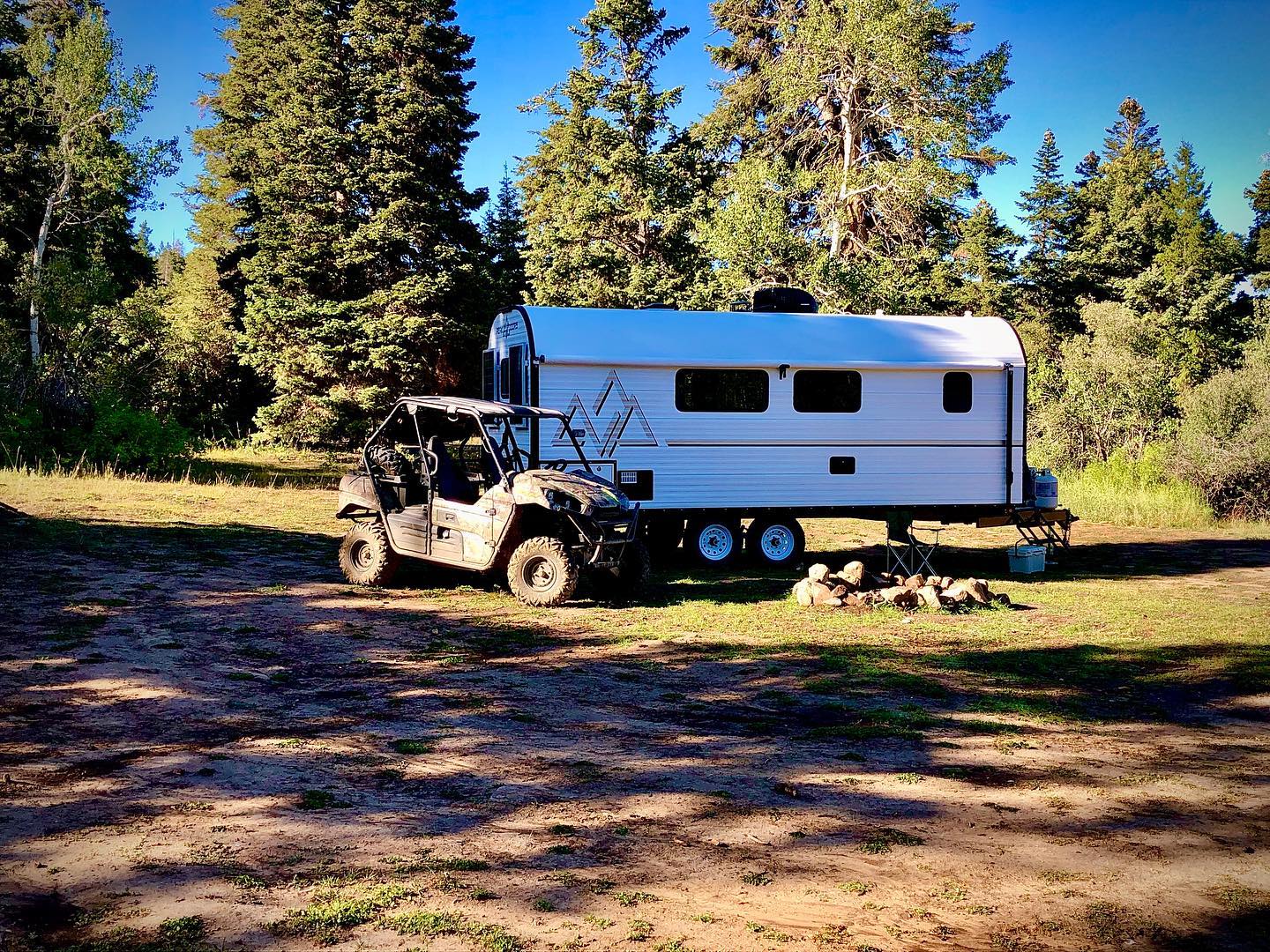
Where you camp shapes the entire trip. A developed campground offers a defined site and more predictable services, while dispersed camping trades those conveniences for greater solitude and a more self-sufficient experience. Neither is automatically better—the right choice depends on your comfort level, equipment, destination, and the kind of trip you want.
What campground camping offers
Developed campgrounds are the more structured option. You camp in a designated site, often with a marked parking area, established access roads, and shared facilities. Amenities vary widely: a basic public campground may provide only a vault toilet and fire ring, while a full-service RV park may include water, electrical hookups, showers, laundry, and Wi-Fi.
A campground is often the better starting point for new campers, families, and travelers arriving after dark. Knowing where you will park—and what services will be available—removes much of the uncertainty from the trip.
Campground advantages
- Clearly marked sites and more predictable road access
- Possible access to toilets, potable water, trash service, hookups, or other amenities
- Reservations at many popular destinations
- A simpler arrival for families, larger trailers, and first-time campers
- Camp hosts or other visitors nearby if you need help
What to consider
- Nightly fees and reservation requirements
- Closer neighbors, quiet hours, and campground-specific rules
- Limited availability during busy weekends and holiday periods
- Site dimensions that may not accommodate every tow vehicle and trailer combination
What dispersed camping offers
Dispersed camping means camping outside a developed campground, generally on public land where overnight use is allowed. These locations usually have no assigned pad, drinking water, restroom, trash pickup, or utility hookups. That freedom can lead to quiet campsites and remarkable scenery, but it also places the planning and stewardship responsibilities on you.
Dispersed camping is not permission to camp anywhere. Access, length-of-stay limits, permits, vehicle use, fire rules, and seasonal closures vary by agency and location. Check the current rules with the local land manager before leaving home, and obey posted signs when you arrive.
Dispersed camping advantages
- More privacy and separation from neighboring campers
- Greater flexibility when choosing a legal, established site
- A quieter setting with fewer developed facilities
- Often no nightly campsite fee, although permits or passes may still be required
What to consider
- Few or no services, including water, toilets, trash collection, or cell coverage
- Unpaved access roads that may be narrow, rough, muddy, or unsuitable for a trailer
- No guarantee that a suitable campsite will be open when you arrive
- More responsibility for navigation, waste disposal, weather readiness, and emergency planning
How to choose the right setting
Start with the needs of your group and the limits of your equipment. A campground is usually the practical choice when you want a confirmed destination, need hookups or restroom access, are traveling with young children, or have not inspected the route. Dispersed camping can be a good fit when your group is comfortable without services, your tow vehicle and camp are suited to the access road, and you have a legal site and backup plan identified.
Consider these questions before deciding:
- Does everyone in the group feel comfortable without nearby facilities or cell service?
- Can your vehicle and trailer safely handle the road, grade, turning space, and ground clearance?
- Do you have enough fresh water, food, fuel, battery capacity, and waste storage for the entire stay?
- Have you confirmed current camping, access, permit, and fire restrictions?
- What will you do if the road or campsite is closed, occupied, or unsafe?
Prepare before going off-grid
Good dispersed trips begin before the pavement ends. Download maps for offline use, review the weather, and tell someone where you plan to be. Carry the tools and supplies needed to recover from common problems, but do not assume recovery equipment makes every road safe. When conditions exceed your vehicle, trailer, or driving experience, turn around early.
Bring sufficient drinking water and a responsible plan for trash, wastewater, and human waste. Use existing roads and previously disturbed campsites where required, avoid expanding a site, and leave the area ready for the next visitor. Check current fire restrictions immediately before the trip; conditions and rules can change quickly.
Know before you go: Rules differ among BLM field offices, national forests, state lands, and local jurisdictions. Confirm the exact location with its managing agency. The Bureau of Land Management camping guide and Leave No Trace principles are useful starting points, but local orders and posted restrictions control.
Choose the trip you are prepared to enjoy
Choose a campground when convenience, predictability, and shared amenities will make the trip better. Choose dispersed camping when solitude is the priority and you are equipped to travel and stay without services. Many experienced campers enjoy both: a campground for destination weekends and a carefully planned dispersed site when they want more room and quiet.
The best campsite is not simply the most remote or the most comfortable. It is the one that fits your group, your camp, the conditions, and your ability to care for the land.
Comments
Have a question or something useful to add? Share it with other Peak Outdoors readers.