RV Pre‑Delivery Inspection: What to Check Before Taking Your Trailer Home
A thorough RV pre-delivery inspection should test every major system before departure. Use this checklist to document the walkthrough and leave with fewer surprises.
Practical maintenance, troubleshooting, and repair guidance for RV and camp owners.
A thorough RV pre-delivery inspection should test every major system before departure. Use this checklist to document the walkthrough and leave with fewer surprises.
Use these practical tips to pre-cool, load, monitor, power, and maintain your RV refrigerator while keeping food at safe temperatures.
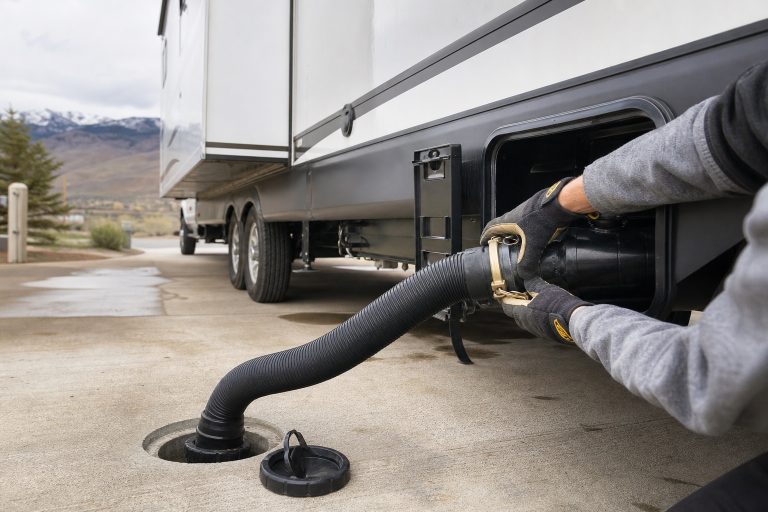
Prevent black-tank buildup with correct water use and dumping habits, learn safer ways to address an obstruction, and know when to call an RV technician.
Flush and sanitize the water system, inspect batteries, propane, tires, seals, appliances, and safety equipment, and test your trailer before its first trip.
Use these practical questions and warning signs to evaluate an RV repair shop’s experience, diagnostic process, estimates, communication, parts, and warranty support.
Learn how to inspect and seal common RV entry points, reduce attractants, protect wiring and insulation, set traps safely, and clean rodent contamination without spreading contaminated dust.
Use a safe, methodical checklist to diagnose an RV refrigerator that is not cooling—and learn when LP gas, wiring, or cooling-unit symptoms require professional service.
Protect your RV before freezing weather with a model-aware checklist for plumbing, water heaters, appliances, batteries, seals, and storage.
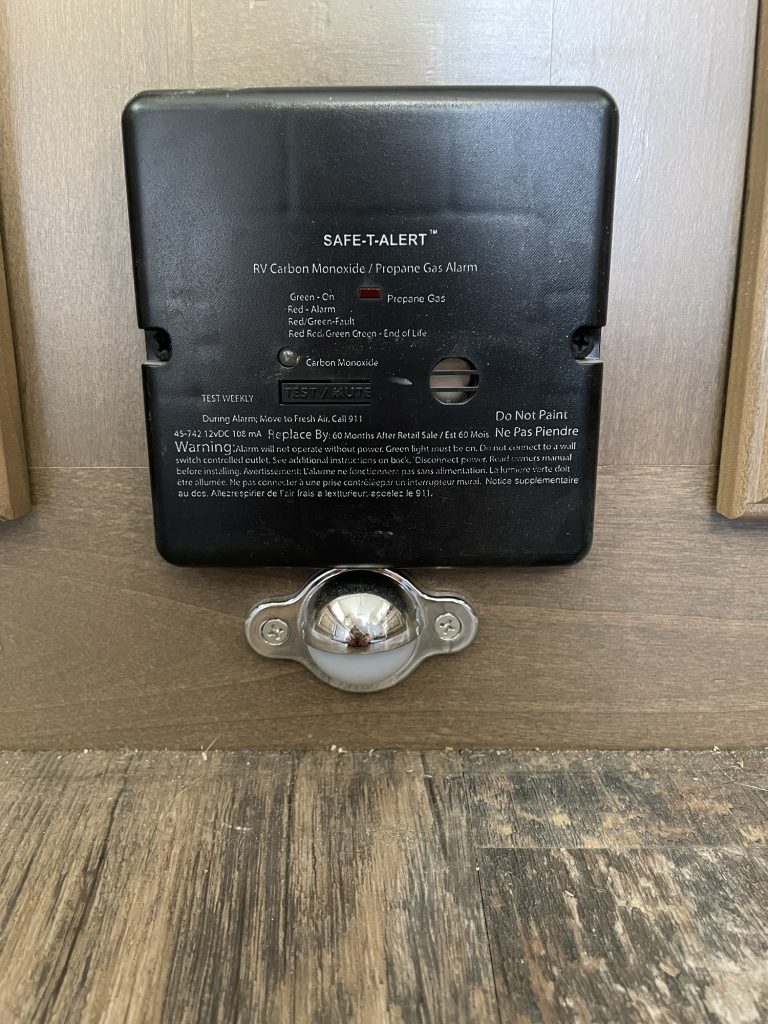
A working RV carbon monoxide alarm can warn you about a gas you cannot see, smell, or taste. Learn why it must remain connected and what to do when it sounds.
Learn how RV inverters work, what they can power, and how loads, surge demand, battery capacity, waveform, and installation determine the right system.