
How to Choose an RV Repair Shop You Can Trust
Use these practical questions and warning signs to evaluate an RV repair shop’s experience, diagnostic process, estimates, communication, parts, and warranty support.
Choosing an RV repair shop is about more than finding the lowest hourly rate or the earliest appointment. The quality of the diagnosis, the clarity of the estimate, and the way the shop communicates can matter just as much as the repair itself.
A trustworthy shop should be able to explain what it will inspect, what requires approval, and what you can expect at pickup. Use the questions below to compare shops before you hand over your RV.
START WITH THE TYPE OF WORK YOU NEED
RV service covers several different specialties. A shop that handles routine maintenance may not be the right choice for structural repairs, collision work, chassis problems, or complex electrical diagnostics. Before making an appointment, describe the symptoms and ask whether the shop regularly works on that system and type of RV.
- Routine maintenance and seasonal service
- Electrical, plumbing, propane, appliance, or generator diagnosis
- Roof, sealant, body, frame, suspension, or collision repair
- Chassis, brake, tire, wheel-bearing, or towing-system work
- Warranty or insurance repairs that require specific documentation
LOOK FOR A REAL DIAGNOSTIC PROCESS
A good repair begins with a clear description of the problem. The service writer should ask when the issue occurs, what has already been tried, and whether any recent work may be related. A technician should then reproduce the symptom when possible, test the affected system, and document the findings before recommending parts.
Be cautious when a shop promises a diagnosis before inspecting the RV or immediately recommends an expensive component without explaining the tests that support that conclusion. Replacing parts until a symptom disappears can waste time and money while leaving the original problem unresolved.
ASK ABOUT TRAINING AND RELEVANT EXPERIENCE
Credentials are helpful, but the most useful question is whether the assigned technician has experience with the system that needs attention. RVs combine electrical, plumbing, propane, appliances, body, generator, and chassis systems, so no single credential replaces system-specific knowledge and careful troubleshooting.
The RV Technical Institute offers competency-based training that progresses from inspection through diagnostics, repair, specialty training, and master-level certification. Training such as RVTI certification can be one positive signal, especially when it is paired with current manufacturer information and relevant hands-on experience.
GET THE SCOPE AND AUTHORIZATION IN WRITING
Before work begins, ask for a written repair order or estimate that identifies the reported problem, diagnostic charge, labor rate, expected parts, and any other fees. It should also state how the shop will obtain your approval if the diagnosis changes or the repair will exceed the estimate.
Set an approval limit: Tell the shop not to exceed a specific amount without contacting you. Written authorization protects both the owner and the service team from misunderstandings.
Estimate and authorization requirements vary by state and by the type of work being performed. Regardless of the legal minimum, a clear written process is a practical sign of an organized shop.
PAY ATTENTION TO COMMUNICATION
Reliable communication does not mean a shop can guarantee an exact completion date before diagnosis. It means you know who your point of contact is, when to expect an update, and how changes will be approved. A good advisor should be able to separate required repairs from recommendations that can wait.
- Will the shop contact you after diagnosis and before repairs begin?
- Can it explain the findings in plain language?
- Will photos, measurements, fault codes, or test results be documented when useful?
- Will you be notified promptly if parts availability changes the schedule?
UNDERSTAND PARTS, WARRANTY, AND RECORDS
Ask whether the estimate uses original-equipment, aftermarket, rebuilt, or used parts and why that option was selected. Confirm what warranty applies to both parts and labor, how long it lasts, and who handles a claim if the problem returns.
Keep the final invoice with your RV records. It should identify the concern, diagnosis, work performed, parts installed, and any follow-up recommendations. Complete records help with future troubleshooting and may support warranty, insurance, or resale documentation.
CHECK THE HANDOFF BEFORE YOU LEAVE
At pickup, review the completed work and ask the shop to demonstrate the repaired system when practical. Confirm that access panels, furniture, stored belongings, and protective covers were returned to their proper positions. If the repair involved winterized plumbing, disconnected batteries, turned-off propane, or another temporary service condition, make sure you understand what must be restored before the next trip.
WATCH FOR THESE RED FLAGS
- Pressure to authorize major work before an inspection
- Vague estimates or invoices that do not describe the diagnosis
- Additional work performed without approval
- Unwillingness to explain parts choices or warranty coverage
- Repeatedly missed updates with no clear point of contact
- A promise that one repair will solve an uncertain symptom without testing
QUESTIONS TO ASK BEFORE BOOKING
- Do you regularly work on this RV system and type of repair?
- Who will diagnose the problem, and what relevant training or experience do they have?
- What is the diagnostic charge and hourly labor rate?
- Will I receive a written estimate before repairs begin?
- At what amount will you stop and request additional approval?
- What type of parts do you expect to use?
- What warranty applies to the parts and labor?
- How and when will I receive updates?
- What should I review or test at pickup?
BUILD A SERVICE RELATIONSHIP BEFORE AN EMERGENCY
A shop that knows your RV and its service history can be especially helpful when a new problem appears. Routine maintenance or a smaller repair gives you a chance to evaluate the shop’s process before you depend on it for urgent work.
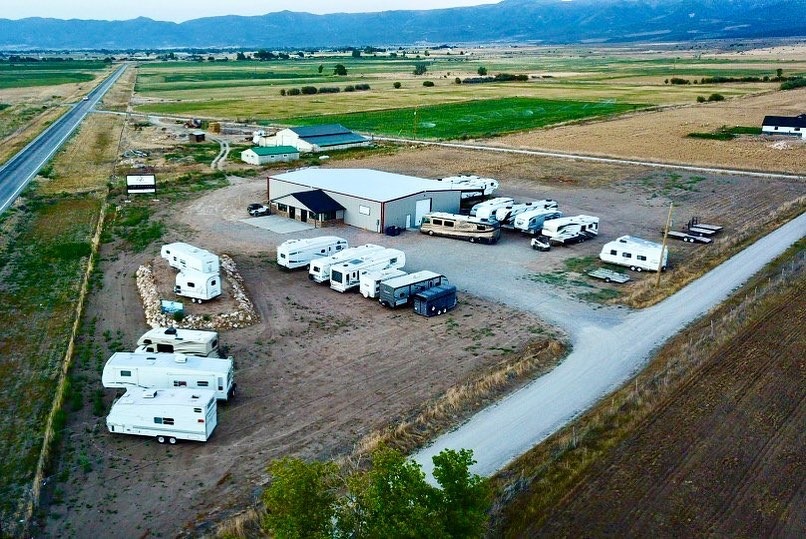
Peak Outdoors provides RV maintenance and repair services in Spring City, Utah. Whether you work with Peak or another qualified provider, a clear diagnosis, written authorization, documented repairs, and straightforward communication should be part of the experience.
Comments
Have a question or something useful to add? Share it with other Peak Outdoors readers.