
What Makes a Peak Camp Four‑Season Ready?
Learn how insulation, protected plumbing, heat, ventilation, power planning, and responsible operation work together for cold-weather camping.
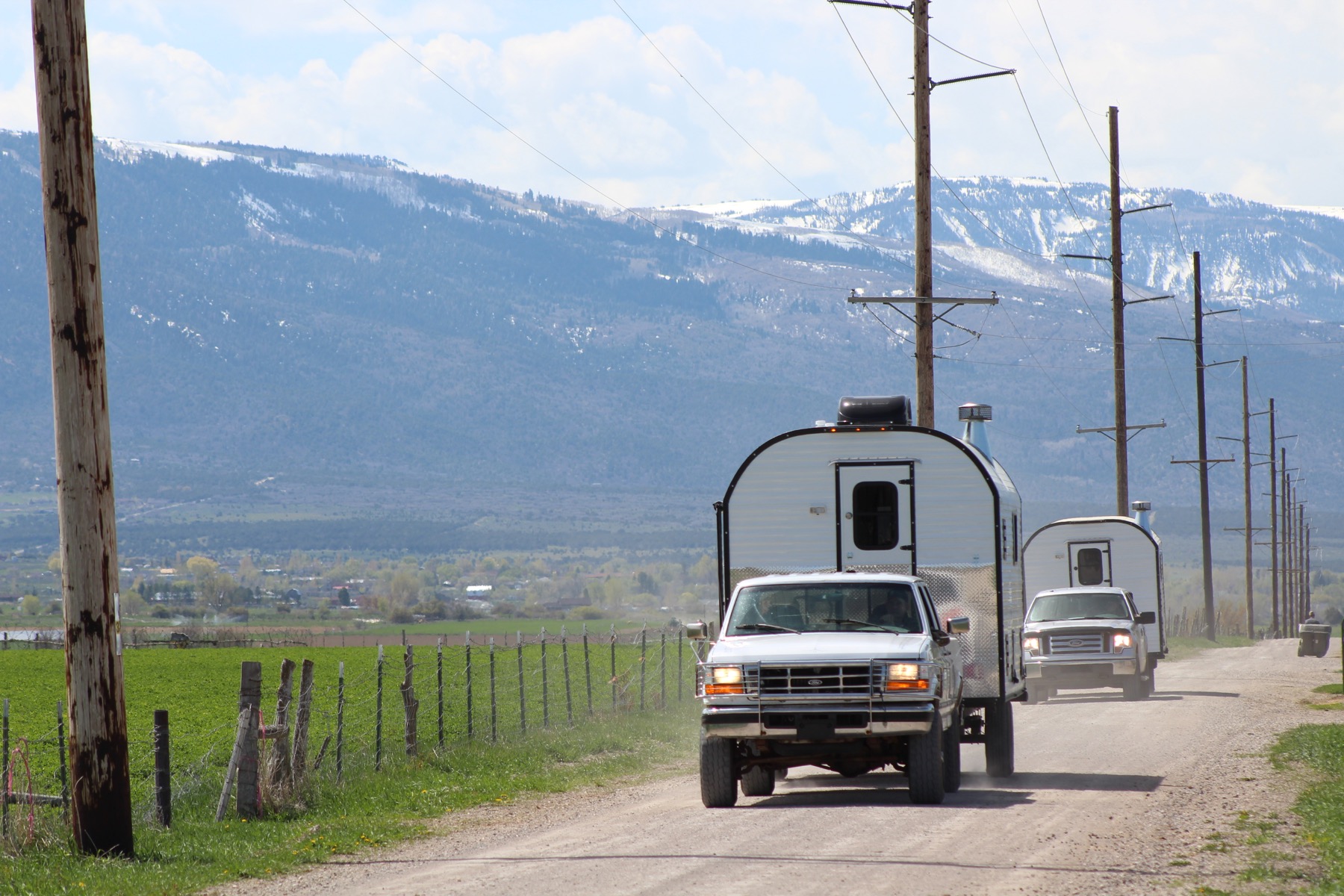
Cold-weather capability is not created by one upgrade. It comes from the way insulation, heating, plumbing, power, structure, and day-to-day operation work together. A camp that performs well in winter must slow heat loss, keep vulnerable systems protected, and give the owner practical ways to monitor and manage changing conditions.
Know your specific camp: “Four-season” and “all-season” are not universal performance ratings. Capabilities vary by model, floor plan, installed equipment, weather, wind, altitude, available power, and how the camp is operated. Confirm the current specifications and cold-weather procedures for your exact build with Peak and follow every component manufacturer’s instructions.
A complete thermal envelope
Insulation works best as a continuous system. Walls, roof, floor, doors, windows, penetrations, and utility openings all influence how quickly heat escapes. Gaps and poorly sealed openings can undermine otherwise capable materials.
Thermal-pane windows, well-fitted doors, effective weather seals, and carefully detailed wall and roof assemblies help reduce heat transfer and drafts. Actual materials and construction details depend on the individual Peak model and build specification.
Protected plumbing and holding systems
Water systems are among the most vulnerable parts of any RV in freezing weather. Tanks, supply lines, low-point drains, valves, traps, exterior showers, and termination plumbing may be exposed to different temperatures—even when the living area feels comfortable.
Depending on the build, cold-weather protection may include enclosed or insulated plumbing areas, heat routed around vulnerable components, and an accessible winterization and water-heater bypass arrangement. These features still depend on heat and power being available. If the camp will be unattended, exposed to temperatures beyond its capabilities, or stored in freezing conditions, it should be winterized according to its manuals.
Heat designed for the space
A properly sized heating system must do more than warm the air near the thermostat. Heat distribution, interior airflow, cabinet spaces, plumbing locations, and the frequency with which doors are opened all affect comfort and freeze protection.
Some Peak builds may be configured with more than one approved heat source, such as a forced-air furnace and a professionally installed wood-burning stove. Every appliance must be operated exactly as directed, with required clearances and ventilation. Smoke, carbon monoxide, and propane alarms must remain installed, powered, unobstructed, and tested.
Moisture control and ventilation
Winter camping creates moisture from breathing, cooking, wet clothing, and combustion. When warm humid air reaches a cold surface, condensation can collect on windows, walls, cabinets, or hidden materials.
Use roof vents or other approved ventilation, run exhaust fans when cooking or showering, dry wet gear, and monitor humidity. A small amount of planned ventilation may improve comfort and protect the interior even though the heating system must replace some lost heat.
Power capacity for cold nights
Cold weather can increase energy demand while reducing available battery performance. Furnace blowers, lights, water pumps, controls, fans, tank or line heaters, and other equipment may all draw from the electrical system.
A winter-ready power plan accounts for expected overnight loads, battery capacity in cold conditions, charging time, propane supply, solar production, generator limitations, and a safe backup plan. Solar can help replenish a battery bank, but short days, snow cover, shade, and storms can reduce production.
Structure and running gear for the route
Winter capability also includes the route to camp. The frame, axle capacity, suspension, tires, brakes, ground clearance, and loaded weight must match the intended terrain and towing conditions. A strong camp does not eliminate the hazards of ice, snow, wind, steep grades, or poor visibility.
Check forecasts and road restrictions, inspect tires and brakes, carry appropriate recovery and emergency equipment, and postpone travel when conditions exceed the tow vehicle, trailer, or driver’s capability.
The owner remains part of the system
No trailer can manage winter automatically. Before and during a cold-weather trip:
- Review the camp and appliance manuals.
- Know which plumbing components require heat or winterization.
- Monitor interior temperature, vulnerable compartments, battery state of charge, and fuel supply.
- Keep vents, exhaust outlets, and combustion-air openings clear of snow and debris.
- Test smoke, carbon monoxide, and propane alarms.
- Plan for weather changes, road closures, loss of power, and an emergency departure.
Questions to ask when planning a four-season build
Cold-weather priorities should be discussed early in the design process. Ask about:
- Wall, roof, floor, window, and door construction.
- The location and protection of tanks, water lines, valves, and drains.
- Heating capacity and how heat reaches plumbing areas.
- Battery capacity, charging options, and expected winter electrical loads.
- Ventilation and condensation-management features.
- Winterization access and the procedure for every installed component.
- Any model-specific temperature guidance, testing, or operating limitations.
Built around where you travel
A four-season Peak Mountain Camp is best understood as a coordinated build rather than a label. Thoughtful construction and the right equipment can extend the camping season, but the best configuration depends on where the camp will travel, how it will be used, and which systems the owner needs to keep operating.
Talk with Peak about your expected temperatures, terrain, trip length, available hookups, towing setup, and comfort priorities. Those details give the design team a practical foundation for recommending the right features for your route.
Comments
Have a question or something useful to add? Share it with other Peak Outdoors readers.