
Built to Last: The Materials and Craftsmanship Behind Peak Mountain Camps
See how purposeful design, structural materials, handcrafted interiors, and careful inspections come together in a Peak Mountain Camp.

A camp built for years of backroads, changing weather, and everyday use has to be more than attractive. Its structure, materials, layout, and finishing details must work together. At Peak Outdoors, that process begins with how the owner plans to use the camp and continues through construction and final inspection.
Built for the owner: Peak Mountain Camps are custom products. Dimensions, materials, appliances, systems, and available options vary by model and build. Confirm the current specifications for the camp you are considering with the Peak team.
Purposeful design comes first
A camp for agricultural work may face different roads, loads, and daily routines than one designed for family recreation, hunting, or extended off-grid travel. That is why the design process should start with intended use rather than a generic list of features.
Travel terrain, towing requirements, sleeping capacity, storage, plumbing, power, heating, and cooking preferences all affect the finished design. Looking at these needs together helps create a camp that feels coherent instead of a collection of unrelated upgrades.
Strength begins below the surface
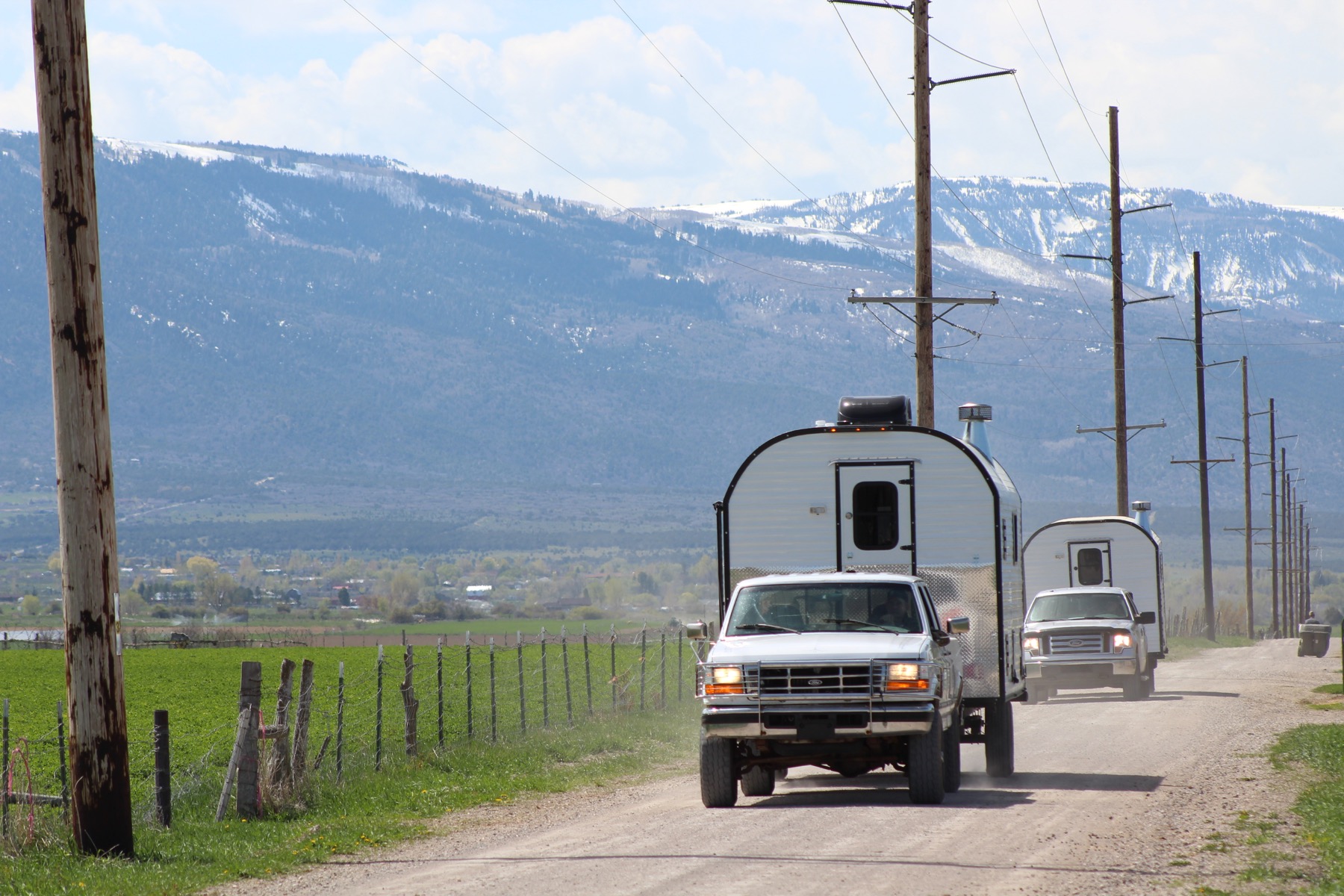
Much of a camp’s durability is determined by the parts that are not immediately visible. Peak describes its approach as using application-specific materials in key structural areas and building with strength, simplicity, and long service life in mind.
The frame, body structure, roof, exterior, cabinetry, and installed systems must support one another. Material choices and connection points matter because vibration, uneven roads, temperature changes, and repeated use place different demands on a trailer than on a stationary building.
Craftsmanship you can see and use
Durability also shows up in the parts owners touch every day. The original Peak Advantage article highlights hardwood cabinetry, dovetail drawers, and carefully finished upholstery as examples of details chosen for function as well as appearance.
Cabinet doors, drawers, latches, work surfaces, seating, and trim are used repeatedly in a compact space. Careful fit and finish make the interior more comfortable, while sound joinery and well-supported components help those features continue to work as intended.
Comfort and performance belong together
A rugged camp does not need to feel utilitarian. Thoughtful storage, practical work areas, comfortable seating, and well-placed appliances can make daily routines easier without compromising the camp’s intended use.
Peak’s custom-build approach allows owners to prioritize the features that matter for their trips. That may include a wood-burning stove, expanded power capability, a particular kitchen arrangement, additional storage, or systems selected for four-season travel. Availability and configuration depend on the individual build.
Inspection is part of the build
Materials and craftsmanship only deliver value when the finished systems operate correctly. Peak’s process includes quality-control checks during construction, followed by a final inspection. The customer then has an opportunity to learn the camp and confirm that its features meet the agreed specifications.
This attention to the complete camp matters because structure, plumbing, electrical equipment, appliances, cabinetry, and exterior sealing all interact. A good handoff should leave the owner confident in how the systems work and what routine care they require.
Choosing features for your camp
Before specifying a custom camp, make a realistic list of how and where it will be used:
- The terrain and road conditions it will travel.
- The tow vehicle and expected loaded weight.
- The number of people it must sleep and support.
- The amount of time it will spend away from hookups.
- The seasons and temperatures it must handle.
- The cooking, heating, water, power, and storage features you use most.
Those priorities give the design team a clearer foundation for recommending a layout and feature package.
Build a camp around your route
The Peak Advantage is not a single appliance or decorative upgrade. It is the way design decisions, structural materials, hands-on craftsmanship, useful features, and inspection come together in a camp built for its owner.
If you are planning a custom build, explore the current Peak camp lineup and talk with the team about your terrain, towing needs, preferred features, and travel style.
Comments
Have a question or something useful to add? Share it with other Peak Outdoors readers.