
Why Camping Traditions Matter: Creating Lasting Family Memories
Camping traditions create connection, pass down practical skills, and turn time outdoors into lasting family memories.
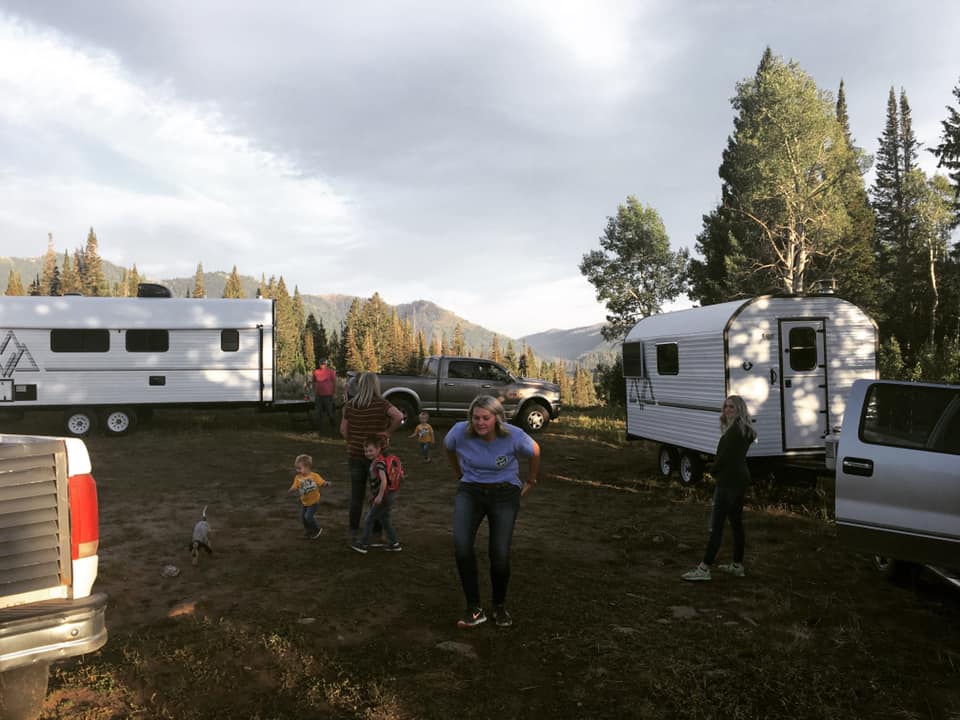
The trips that stay with us are rarely memorable because everything went perfectly. We remember who was there, the routines we repeated, the stories told after dark, and the feeling of returning to a place that had become familiar. Over time, those small moments become camping traditions—and those traditions help turn an ordinary trip into part of a family’s story.
Traditions Give Everyone Something to Anticipate
One of the simplest powers of a recurring campout is anticipation. A familiar weekend, route, campsite, or season becomes an anchor on the calendar. Children know what is coming. Adults make room for it. Even when work, school, and everyday responsibilities pull people in different directions, the tradition creates a reason to come back together.
Some of our own lasting memories come from annual late-summer trips with extended family. Returning to the same mountain area during bow-hunt season meant two weeks of shared meals, exploring, laughter, and time with relatives we did not always see during the rest of the year. The destination mattered, but the real value was the rhythm of gathering again.
Shared Work Builds Belonging
Camping gives every person a way to contribute. Someone gathers firewood. Someone prepares food. Someone keeps an eye on the weather, organizes gear, or helps younger campers get settled. These jobs may feel small, but they give people a role in the experience.
That shared work also teaches practical skills without making the trip feel like a lesson. Children learn how to care for equipment, respect fire, conserve water, and leave a campsite better than they found it. Adults pass along habits that may have been taught to them in much the same way.
Unstructured Time Makes Room for Adventure
Some of the best outdoor memories begin without a schedule. On family campouts, a river can become a playground, a stand of willows can become a fort, and a short walk can turn into an afternoon of discovery. Away from screens and tightly planned routines, children have room to invent their own games and explore at a more natural pace.
Adults benefit from that slower pace, too. There is time to notice changing weather, watch wildlife, take an unhurried hike, or simply sit together. The goal is not to fill every hour. It is to create enough space for the moments no one could have planned.
Campfire Stories Carry Family History
When the sun goes down, a campfire naturally draws people into the same circle. That setting has long made room for stories—some funny, some serious, and some repeated so often that everyone knows how they end.
Listening to grandparents, aunts, uncles, parents, and longtime friends helps younger family members understand where they come from. The stories connect one generation’s adventures to the next. Years later, people may forget what was packed for dinner, but they remember the voice that told the story and the night sky above them.
Simple Meals Become Part of the Memory
Camping food does not need to be elaborate to become a tradition. A familiar breakfast, food cooked over the fire, or a dessert made only at camp can become one of the most anticipated parts of the trip. The smell of a meal cooking outdoors and the conversation around it often matter more than the recipe.
Repeating one or two favorite meals also makes planning easier. Families can improve the routine each year while still leaving room to try something new.
Traditions Can Grow With Your Family
A tradition does not have to stay exactly the same to remain meaningful. The campsite may change. Children grow up. New family members join the trip. Mobility, schedules, and comfort needs change over time. A good tradition can adapt while preserving its purpose: making intentional time for one another outdoors.
That might mean moving from tents to a camp trailer, choosing a more accessible location, shortening the trip, or changing the season. What matters is not recreating every detail from the past. It is carrying the connection forward.
How to Start a Camping Tradition
- Choose a repeatable time. A particular weekend or season is easier to protect on the calendar.
- Keep the first trip manageable. A nearby destination and simple plan make it easier to return.
- Give everyone a role. Let each person help with a meal, activity, setup task, or camp responsibility.
- Create one small ritual. Repeat a favorite hike, meal, game, photograph, or campfire story.
- Record the details. Keep a notebook with dates, locations, weather, favorite moments, and lessons for next time.
- Care for the place. Follow local rules, manage fires responsibly, pack out waste, and teach every camper to respect the land.
Make Room for the Memories You Cannot Plan
The most meaningful camping traditions often begin quietly. One trip becomes an annual trip. One campfire story is requested again the next year. Children who once followed along eventually help plan the route and bring children of their own.
A good camp provides shelter and comfort, but the people inside it give the trip its meaning. Make time to gather, leave room for adventure, and let the tradition become your own.
Comments
Have a question or something useful to add? Share it with other Peak Outdoors readers.